
Betty Shanks
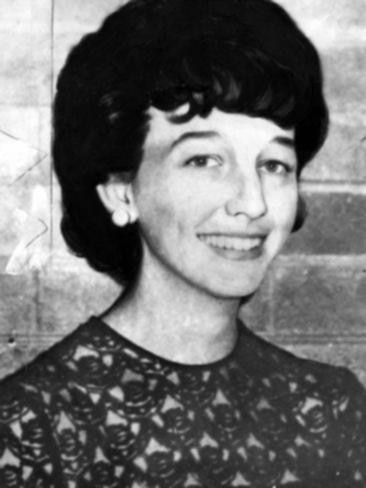
The murder of Betty Shanks is one of Australia's most haunting and enduring unsolved cases, a crime that has captivated and perplexed investigators for over seven decades. On the night of September 19, 1952, the 22-year-old University of Queensland graduate was brutally murdered while walking home from a tram stop in the quiet Brisbane suburb of Grange. Her body was discovered the following morning in the front garden of a house, just a short distance from her own home. The case sparked one of the largest police investigations in Queensland's history, yet the killer has never been brought to justice.
Despite numerous theories, false confessions, and a litany of suspects over the years, the identity of Betty Shanks's murderer remains a mystery. The investigation has been revisited multiple times, with new leads and information emerging even decades later, but none have led to a definitive conclusion. The case has been the subject of several books and documentaries, each offering different theories as to what may have happened on that fateful night. The crime sent shockwaves through the community, shattering the sense of safety and innocence that had once prevailed.
The enduring nature of the Betty Shanks case has cemented its place in Australian criminal history. A standing reward of $50,000 for information leading to the conviction of the killer underscores the ongoing commitment of law enforcement to solve the crime. The murder of Betty Shanks is a chilling reminder of the fragility of life and the lasting impact of a single act of violence on a community and a nation.
The Life and Tragic Death of Betty Shanks
Elizabeth "Betty" Shanks was a bright and promising young woman whose life was cut tragically short in a crime that has baffled investigators for generations. Born on October 10, 1929, Betty was a lifelong resident of the Brisbane suburb of Grange. A graduate of the University of Queensland, she was a dedicated public servant, working for the Commonwealth's Department of the Interior. By all accounts, she was a responsible and well-liked individual, living with her parents in their family home on Montpelier Street.
On the evening of Friday, September 19, 1952, Betty attended a night class at the State Commercial High School in the city. After her class, she was driven to a tram stop in Windsor by her lecturer. She boarded a tram for the journey home, disembarking at the Days Road Terminus in Grange at approximately 9:32 PM. From there, she began the short, familiar walk to her home, a distance of about 400 meters. It was a walk she would never complete.
The Crime Scene
The following morning, at 5:35 AM, a resident of Thomas Street, who was also a police officer, made a grim discovery. The body of Betty Shanks was found in the front garden of his home, on the corner of Carberry and Thomas Streets. She had been brutally beaten and strangled. Her handbag and its contents were scattered around her body, but there was no evidence of sexual assault. A post-mortem examination revealed that she had been kicked in the head with such force that boot polish was left on her face. Her gold wristwatch had stopped at 9:53 PM, providing a narrow timeframe for the murder.
The Investigation
The murder of Betty Shanks sparked a massive police investigation, the largest in Queensland's history at the time. Detectives canvassed the neighborhood, interviewing residents and searching for clues. Bloody handprints were found at the scene, but they yielded no usable fingerprints. Witnesses reported hearing screams between 9:38 PM and 9:45 PM, which were tragically mistaken for children playing at the nearby Wilston State School.
One of the most puzzling aspects of the case was the suggestion that Betty may have known her attacker. A young girl who had been on the same tram as Betty and had walked down Thomas Street ahead of her did not hear anyone following behind. This led police to suspect that Betty may have met someone she knew after getting off the tram and walked with them to the spot where she was murdered. Several people reported seeing a well-dressed man, estimated to be between 30 and 40 years old, loitering in the area on the night of the murder.
Theories and Suspects
Over the decades, numerous theories have been put forward regarding the identity of Betty Shanks's killer. Early in the investigation, police considered the possibility of a random attack by a sex offender. Another prominent theory suggested that Betty was the victim of mistaken identity. It was proposed that the killer had intended to attack a doctor's receptionist who walked the same route at the same time and carried keys to a surgery containing drugs.
Several individuals have confessed to the murder over the years, but all of these confessions have been proven to be false. A number of books have been written about the case, with each author proposing a different suspect. These have included a soldier, a police officer, and a man named Eric Sterry, who was accused by his own daughter. Despite these theories and accusations, no one has ever been charged with the murder of Betty Shanks.
The Enduring Mystery
The murder of Betty Shanks remains one of Australia's most infamous cold cases. The crime sent a wave of fear through the community, forever changing the sense of security that residents had once enjoyed. A reward of $50,000 still stands for information that leads to the apprehension and conviction of the person or persons responsible for Betty's death. The case is a stark reminder of the devastating impact of violent crime and the enduring pain of an unsolved mystery.
Timeline Event Legend
Filter events by type
AllShowing all event types. Click to filter.
Unlock Full Timeline Details
You're viewing the compact timeline. Upgrade to access full event descriptions, sources, and evidence links.
Upgrade MembershipBirth of Betty Shanks
Elizabeth 'Betty' Shanks was born in Brisbane, Queensland.
Last Known Sighting (Tram Stop)
Betty Shanks disembarked from a tram at the Days Road Terminus in Grange at approximately 9:32 PM, beginning the walk home.
Time of Murder
Betty Shanks was murdered sometime between 9:32 PM and 9:53 PM. Her gold wristwatch stopped at 9:53 PM.
Discovery of Body
At 5:35 AM, Betty Shanks's body was discovered in the front garden of a house on the corner of Carberry and Thomas Streets.
Launch of Major Investigation
The murder sparked the largest police investigation in Queensland's history at the time.
Post-Mortem Examination
Post-mortem revealed she had been brutally beaten, strangled, and kicked forcefully (leaving boot polish on her face).
Standing Reward Offer
A standing reward of $50,000 remains in place for information leading to the conviction of the killer.
Every Detail Matters
Cold cases are solved when communities come together. Whether you have family records, local knowledge, historical research, or any information—no matter how small—please share it.
Share What You Know
Even the smallest detail could be the breakthrough investigators need. If you have information about this case, submit a tip.
Upload Evidence
Have photos, documents, or media related to this case? Upload them to help build a comprehensive picture.
Join the Discussion
Share theories, ask questions, and collaborate with other community members to uncover new leads.
Spread Awareness
The more people who know about this case, the higher the chance someone will come forward with information.
Community Impact
We're building a community dedicated to helping solve Australian cold cases. Every tip, piece of evidence, and discussion brings us closer to finding answers. Your contribution could be the breakthrough investigators need.
See something? Share it with investigators.
Community collaboration solves cases.
Share this case
Help solve this case — share with your network. Someone you know might have the missing piece.
If you have information about this case, please contact your local police or Crime Stoppers on 1800 333 000.
Generate a comprehensive AI analysis to get detailed insights about what occurred and critical next investigative steps. Our AI examines all available evidence, timeline events, and case details to provide actionable intelligence.
Please sign in to use AI analysis features.
Cases with similar characteristics based on location, time period, and victim demographics